Menu engineering is broader than a popularity list
Menu engineering is the practice of examining items against selected factors to inform menu decisions. Those factors might include recorded sales, contribution margin, preparation effort, ingredient overlap or how a dish fits the guest offer. There isn’t one universal formula that replaces operational context. A useful review states which measures it considers and what it leaves out.
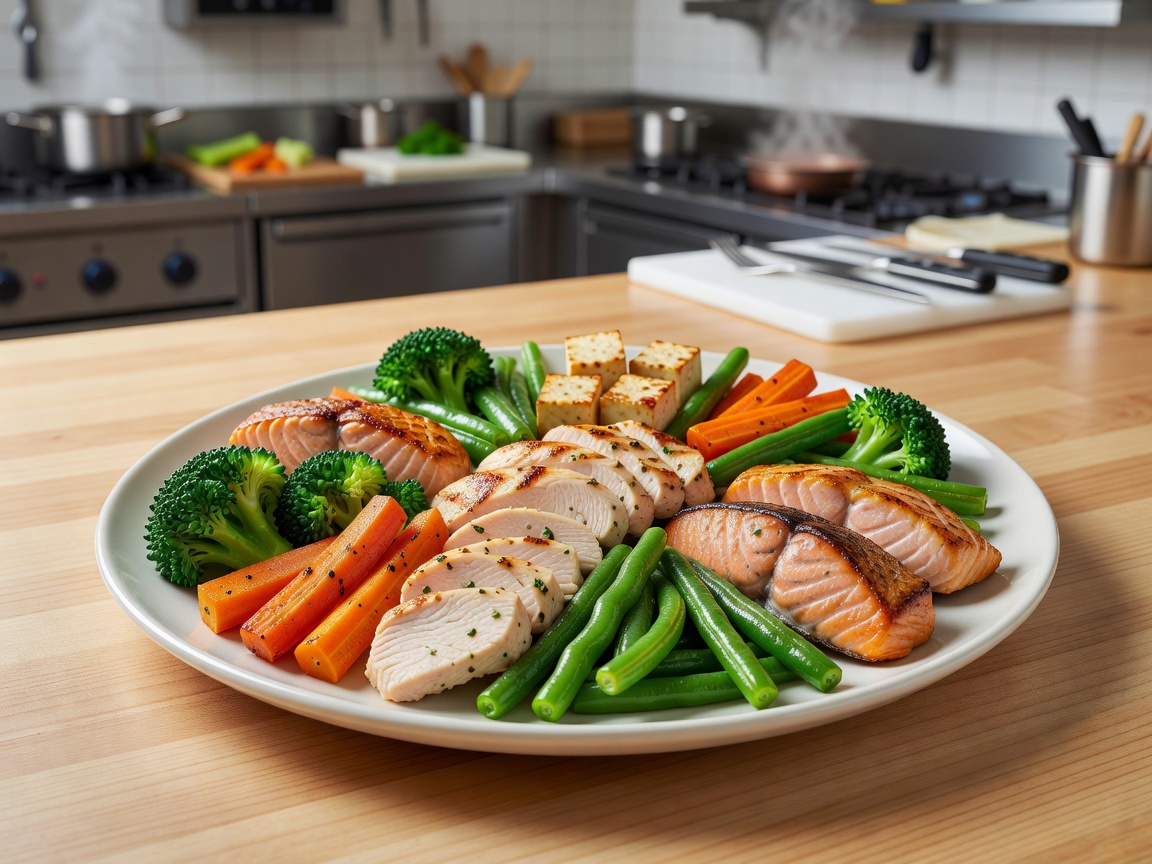
Ingredient overlap can help the kitchen understand how ingredients connect across recipes. A shared ingredient may support more than one dish, but its use has to make culinary sense. Too much overlap can make a menu feel repetitive; too little may complicate storage and purchasing. The team needs to balance guest experience with the realities of preparation.
Look at production, portions and stock together
Production planning asks what is likely to be prepared, when, and in what quantity. Portion planning can support consistency when recipes and service practices are recorded clearly. Stock rotation and shelf-life awareness help teams organise inventory under their normal safe food-handling procedures. These are operational habits; a prediction does not replace required training or food-safety controls.
Unsold items, trim and preparation surplus can be recorded in different ways. If the categories are inconsistent, a report may hide useful detail or suggest the wrong cause. An AI tool might help group notes or flag repeated entries, but someone should check that the categories mean the same thing across shifts.
A pattern is a question, not proof
Suppose records show that an ingredient appeared in several end-of-service surplus logs. That may be worth investigating. It doesn’t prove the menu design caused the surplus. A booking may have changed, a delivery may have arrived in a different quantity, a dish may have been unavailable, or a prep estimate may have been adjusted for a reason that wasn’t recorded.
Check the chain: what was purchased, what was prepared, what was sold, what remained, and what the team recorded about the remainder. Make sure the time period, recipe versions and units align. A model can help compare records or point to entries that need review; it cannot observe the kitchen event behind a spreadsheet line.
Keep food safety ahead of waste avoidance
Waste awareness must never encourage unsafe storage, extending shelf life without appropriate controls or serving questionable ingredients. Follow applicable food-safety requirements and the operation’s established procedures. If the condition or handling history of an ingredient is uncertain, do not use a planning tool as a reason to take a risk.
Substitution planning also needs care. A replacement ingredient can affect allergens, dietary suitability, recipe balance, portion expectations and supplier specifications. Review the change with the responsible chef and communicate it accurately. No forecast can certify an ingredient as safe or suitable.
Where AI can assist—and where it can mislead
AI may help surface recurring purchasing and sales patterns, compare recorded recipe ingredients, organise production notes or highlight data that appears incomplete. That can make the next question easier to ask. But inaccurate inventory counts, stale recipes, inconsistent waste categories and missing sales can all distort the pattern. Models can also overlook unusual events or reflect a bias in the records.
There are useful benefits when teams keep the work grounded: less time spent manually sorting notes, better visibility across related records and a clearer agenda for a stock review. Limitations are equally real: data cleanup takes effort, a correlation doesn’t establish cause, and a recommendation can be impractical for a busy kitchen. No specific reduction or savings outcome is implied.
A balanced review checklist
- Are recipe quantities, portions and ingredient units current?
- Are stock counts and purchasing records from comparable periods?
- Are waste categories defined consistently and used by the team?
- Do production notes explain unusual surplus or shortages?
- Are ingredient overlaps appropriate for the dishes and guests?
- Have shelf life and stock rotation been reviewed under safe procedures?
- Have substitutions been checked for taste, allergens and suitability?
- Has a chef or manager investigated the possible cause before changing a menu?
Choose a small, reviewable action
Once a pattern has been checked, the team might decide to improve a record, change a prep note, review a recipe quantity or test a menu adjustment. These are examples of possible operational choices, not recommendations for a particular restaurant. Agree who will make the change, what will be observed and when the team will review it.
Production decisions are affected by demand variability, kitchen capacity and guest expectations. Keeping a menu deliberately flexible may help, but the service still needs clear standards. A review should look at preparation time and complexity as well as ingredient usage, so that a seemingly simple menu change doesn’t shift the burden elsewhere.
Key terms: Ingredient overlap means an ingredient is used in multiple menu items. Stock rotation is an organised approach to managing inventory under suitable operating procedures. A waste pattern is a recurring observation in records; its cause still needs investigation.
The best result of a data review may be a more precise question. AI can help the team find where to look; responsible people decide what the evidence means and what to do next.