AI Menu Performance Analysis
Bring sales mix, recipes and variable costs into one conversation. Learn why a popular dish and a strong contributor aren’t always the same thing.
Sales mixContribution margin
Read the analysis guide THE INTELLIGENT MENU LAB FIELD NOTES FOR RESTAURANT TEAMS
Smarter menu analysis, ingredient forecasting, seasonal decisions, and demand planning.
A practical journal for turning sales, recipes, stock and local context into better-informed food decisions. AI can help organise information and surface patterns; your team still brings the judgement that makes a menu work.
THE EDITORIAL INDEX / 01—05
Use data to ask better questions—not to replace a chef’s palate, supplier conversation or the reality of tonight’s service.
Bring sales mix, recipes and variable costs into one conversation. Learn why a popular dish and a strong contributor aren’t always the same thing.
Connect planned covers, recipe quantities, stock on hand, shelf life and supplier lead times before drafting a purchase plan.
Explore how local availability, kitchen capacity, guest expectations and recipe testing can shape a seasonal menu refresh.
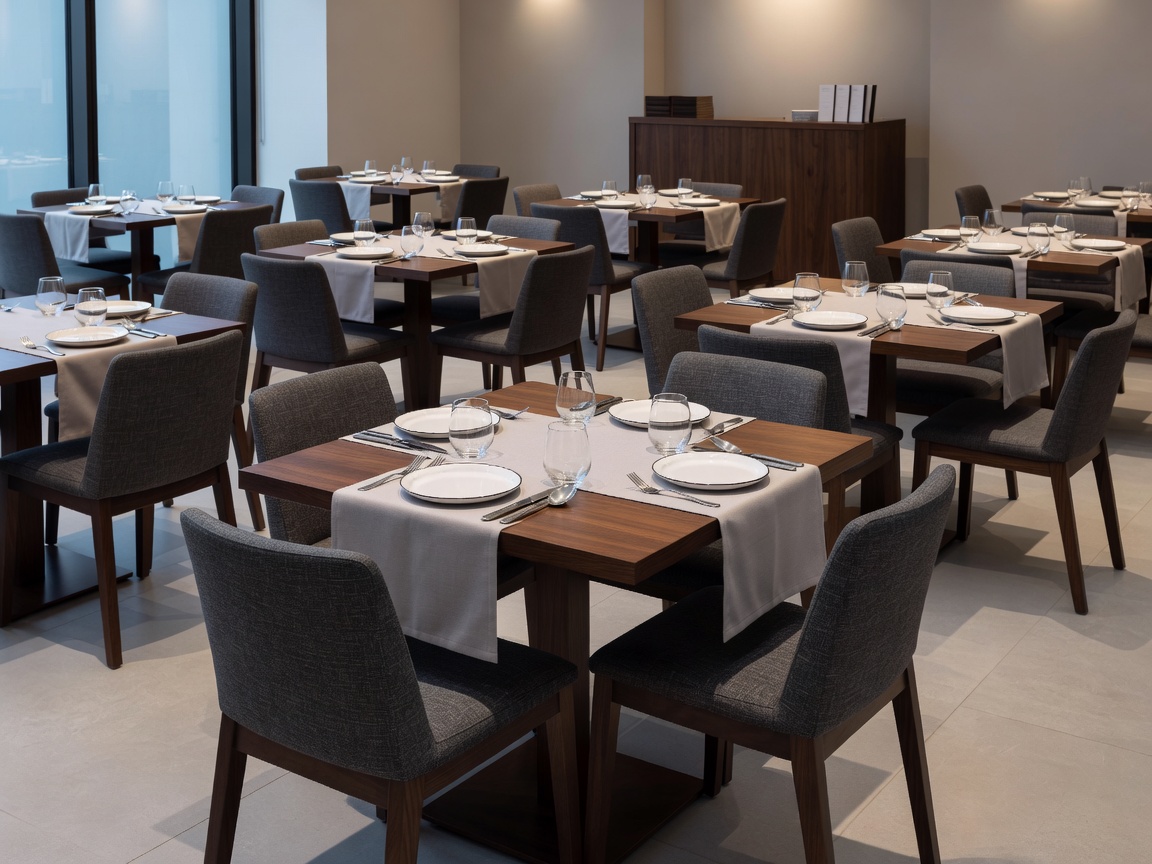
Use historical patterns and upcoming service context to prepare—not to assume that a forecast knows exactly who will walk through the door.
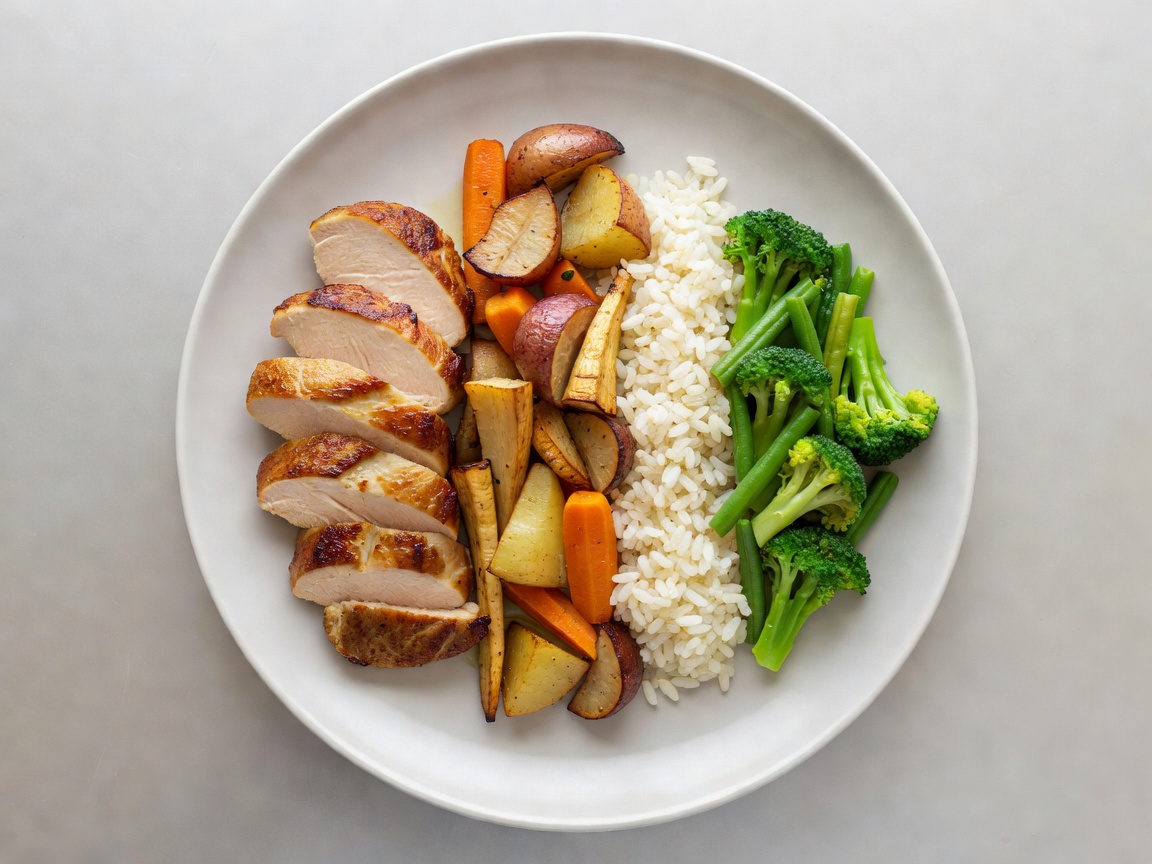
Look for useful ingredient overlap, production patterns and records that may help the team investigate avoidable waste.
A USEFUL WORKFLOW
Think of AI as a way to sort and compare information. The people running the kitchen decide what is practical, delicious and safe.
Gather usable sales, recipe, purchasing, stock and service records. Note gaps instead of quietly treating them as facts.
Compare item mix, recipe inputs and variable costs. Ask whether records describe the same recipe and portion.
Estimate likely covers and item needs using history plus the context of the coming service. Keep uncertainty visible.
Check stock, shelf life, delivery schedules and supplier realities before turning estimates into a purchase proposal.
Compare the plan with what happened, ask why, and update the next decision with chef and manager input.
Forecasts are estimates, not guarantees. Weather, local events, supplier changes, menu availability and unexpected guest choices can all change the picture.
PRACTICE NOTE / 01
Data can make it easier to notice that a dish is selling differently on weekdays, that several recipes rely on the same perishable herb, or that the recipe file and purchasing record don’t agree. It cannot taste a sauce, assess a delivery in person or know why a regular guest asks for a substitution.
Experience helps interpret the pattern. A chef may know a dish was unavailable for two services; a manager may know a group booking changed the usual rhythm. The best planning conversation puts those observations beside the records.
Start with menu performanceSMALL GLOSSARY
SEASONALITY IS LOCAL
A planning tool can help compare recipe ideas and organise ingredient information, but it can’t promise that a crop will arrive on time or match the sample your chef approved. Regional traditions and climate matter: a menu developed for Copenhagen or Riga may have a different seasonal rhythm from one planned in Barcelona or Milan.
Read about seasonal planning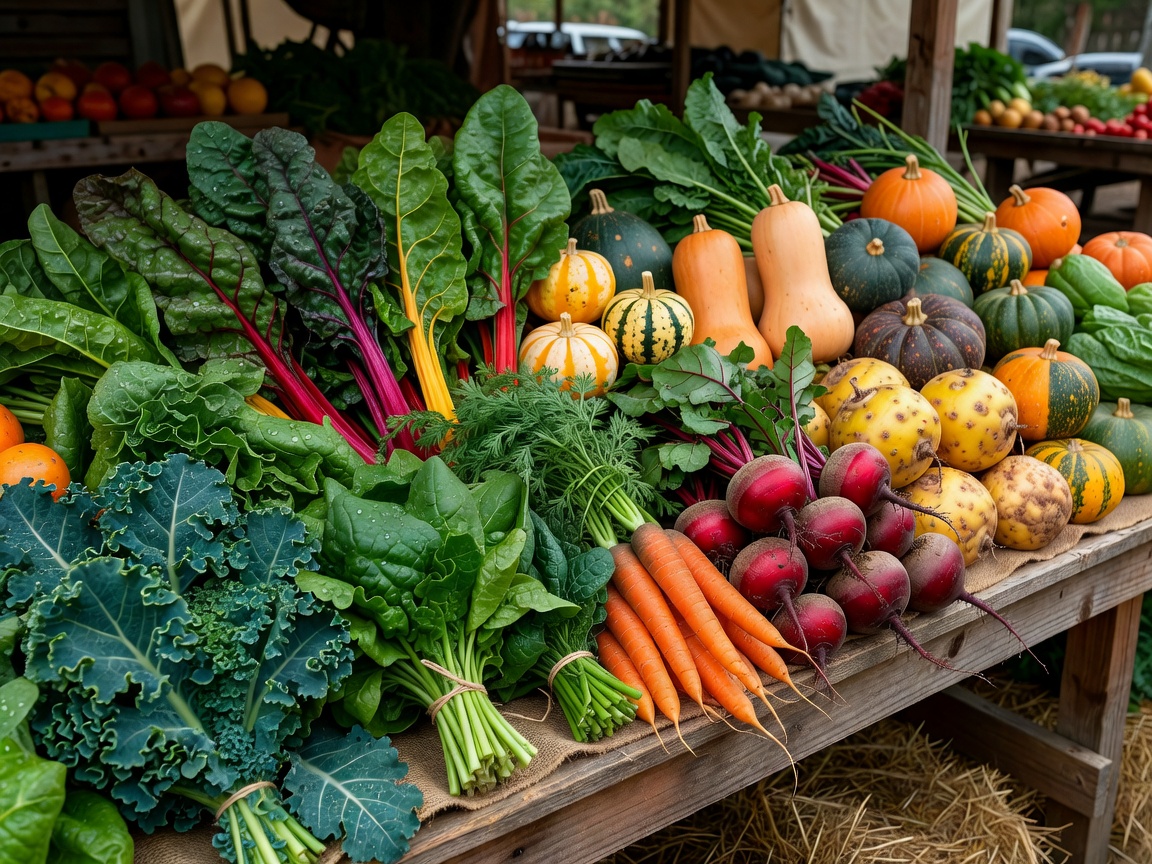
FORECAST UNCERTAINTY
Incomplete records, changing suppliers, weather, events and guest choices can all affect outcomes. Treat a prediction as one input to a plan, set a sensible review point, and make sure someone can adjust it when circumstances change.
A QUESTION FROM YOUR OPERATION?
Send an editorial question or share feedback about this educational resource.
YOUR SETTINGS
Essential local storage remembers your choice. Optional categories are off by default; no analytics identifier is currently used by this static website.